IntroductionThe Dubai Financial Market (DFM) has been at the forefront of promoting sustainability and responsible investment through its commitment to Environmental, Social,…
Introduction
The Dubai Financial Market (DFM) has been at the forefront of promoting sustainability and responsible investment through its commitment to Environmental, Social, and Governance (ESG) reporting. This article delves into DFM’s initiatives, the importance of ESG reporting, and how it aligns with global standards and the UAE’s national sustainability agenda.
The Importance of ESG Reporting
ESG reporting has become a critical aspect of corporate transparency and accountability. It involves disclosing information on a company’s environmental impact, social responsibilities, and governance practices. Investors and stakeholders increasingly demand high-quality, consistent ESG data to make informed decisions. ESG reporting helps in identifying material issues, promoting transparency, and driving sustainable economic growth.
DFM’s Commitment to ESG
DFM has shown a strong commitment to ESG practices, aligning with international sustainability trends and frameworks. It supports the UAE’s national sustainability agenda and the Dubai Declaration on Sustainable Finance, which commits local financial institutions to support a green economy. DFM’s efforts include market education, research, digital innovation, internal capacity building, and the development of sustainable financial products.
Global Reporting Frameworks
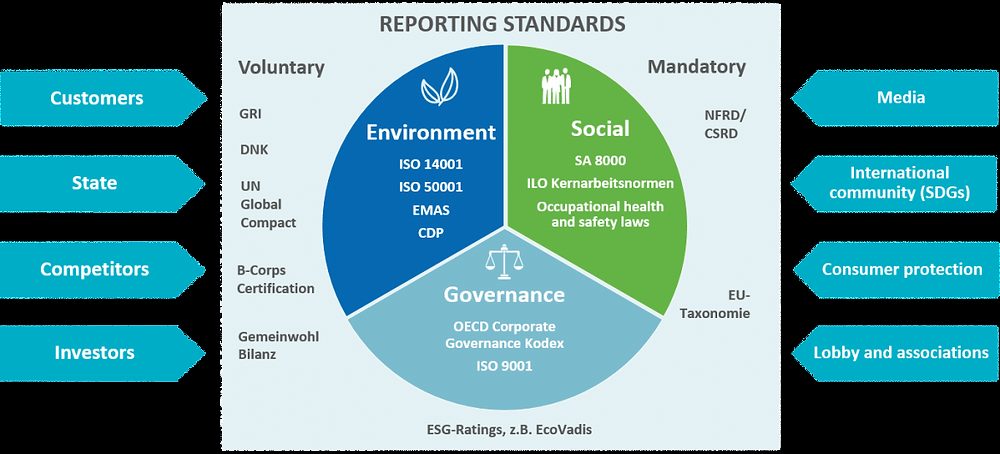
DFM encourages the adoption of internationally accepted reporting frameworks to ensure standardized and comparable sustainability reporting. Key frameworks include:
- Global Reporting Initiative (GRI): Provides a comprehensive set of guidelines for sustainability reporting.
- International Integrated Reporting Council (IIRC): Focuses on integrated reporting that combines financial and non-financial information.
- Sustainability Accounting Standards Board (SASB): Offers industry-specific standards for sustainability reporting.
- Task Force on Climate-related Financial Disclosures (TCFD): Provides recommendations for climate-related financial disclosures.
DFM’s ESG Reporting Guide
DFM has developed a guide to ESG reporting, emphasizing the importance of timely, high-quality, and consistent data. The guide outlines a structured process for ESG reporting, including:
- Identifying Material Issues: Using tools like the MSCI or SASB Materiality Map to determine relevant ESG issues.
- Adopting Reporting Frameworks: Following frameworks like GRI’s four-step method for structured reporting.
- Engaging Stakeholders: Conducting annual surveys and publishing sustainability reports to engage with stakeholders and gather feedback.
Sustainability Efforts and Initiatives
DFM’s sustainability efforts are evident through its active participation in various initiatives and working groups. It collaborates with stakeholders to promote ESG practices and supports the development of sector-specific standards. DFM’s initiatives include:
- Market Education: Providing training and resources to market participants on ESG practices.
- Research and Innovation: Investing in research and digital innovation to enhance ESG reporting and disclosures.
- Sustainable Financial Products: Developing financial products that support sustainable investments.
Impact of ESG Reporting
The implementation of ESG reporting has a significant impact on attracting responsible investments and supporting the Sustainable Development Goals (SDGs). It promotes transparency, accountability, and sustainable business practices, driving long-term economic growth and stability.
Conclusion
DFM’s dedication to ESG reporting and sustainability is a testament to its role in promoting responsible investment and supporting the UAE’s vision for a green economy. By adopting global reporting frameworks and engaging with stakeholders, DFM continues to lead the way in corporate transparency and sustainable development.
How ESGweise helps
ESGweise prepares listed companies for exchange ESG disclosure and the assurance that increasingly follows it. See our sustainability reporting and assurance readiness services, and our companion guide to ADX ESG disclosure.